

(Registered Under Madhya Pradesh Society Registration Act 1973)
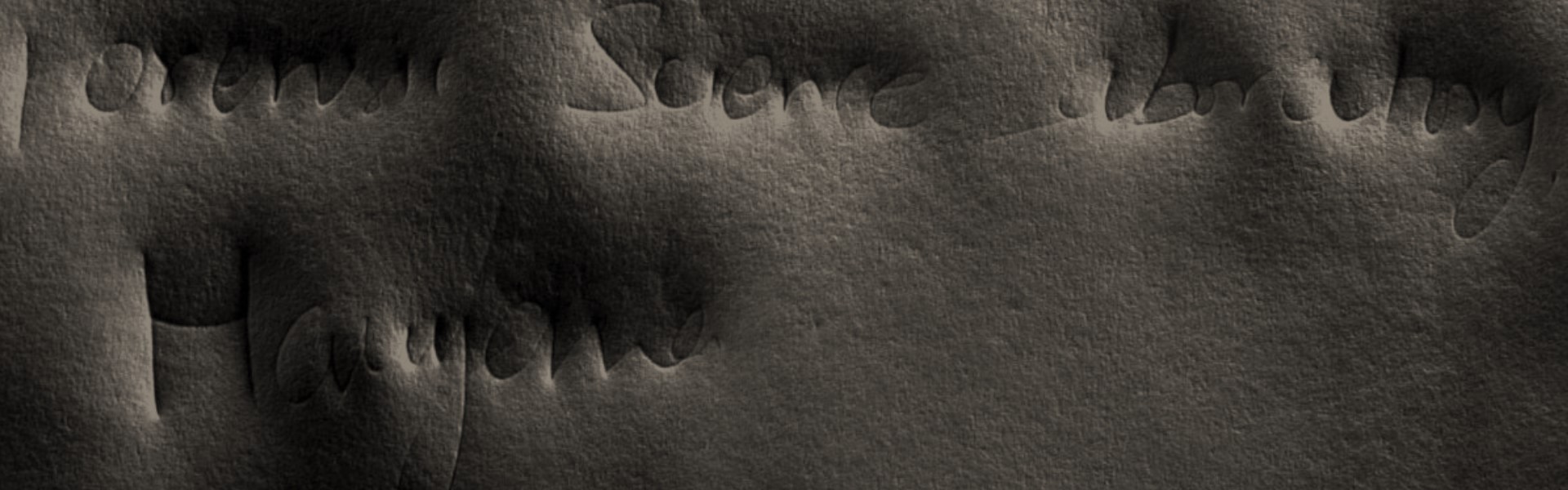
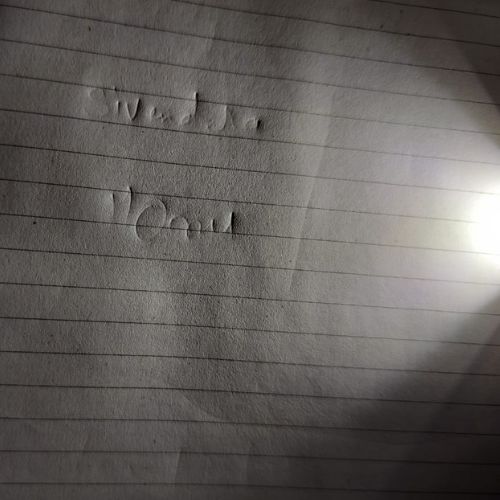
Forensic physics applies the concepts of physics to the examination of physical evidence such as glass, soil, tool marks, restoration of erased numbers, tyre marks and the reconstruction of accidents. It provides objective, measurable data to support investigations.
Forensic ballistics, a major sub-discipline, is the study of firearms, ammunition and the effects of firing. Examination of bullets, cartridge cases and firearm markings helps determine the weapon used, the range and direction of firing and links a fired projectile to a specific weapon.




Every firearm imparts unique striations and impressions on bullets and cartridge cases due to the rifling of its barrel and its firing mechanism. Comparison microscopy is used to match a fired bullet or case to a suspect weapon.
Forensic physicists examine glass fracture patterns, refractive index, tool marks, restoration of obliterated engraved numbers and accident reconstruction to provide scientific interpretation of physical evidence.


 :
: 


 :
: