

(Registered Under Madhya Pradesh Society Registration Act 1973)
Forensic biology deals with the examination of biological evidence such as blood, semen, saliva, hair, bones and other body tissues recovered from a crime scene. It links biological material to individuals and helps establish facts in cases of assault, homicide, sexual offences and disputed identity.
Forensic anthropology, a specialised sub-field, applies the study of the human skeleton to legal investigations. From skeletal remains an anthropologist can estimate the sex, age, stature, race and, in some cases, the cause and manner of death, and can assist in the identification of unknown deceased persons.



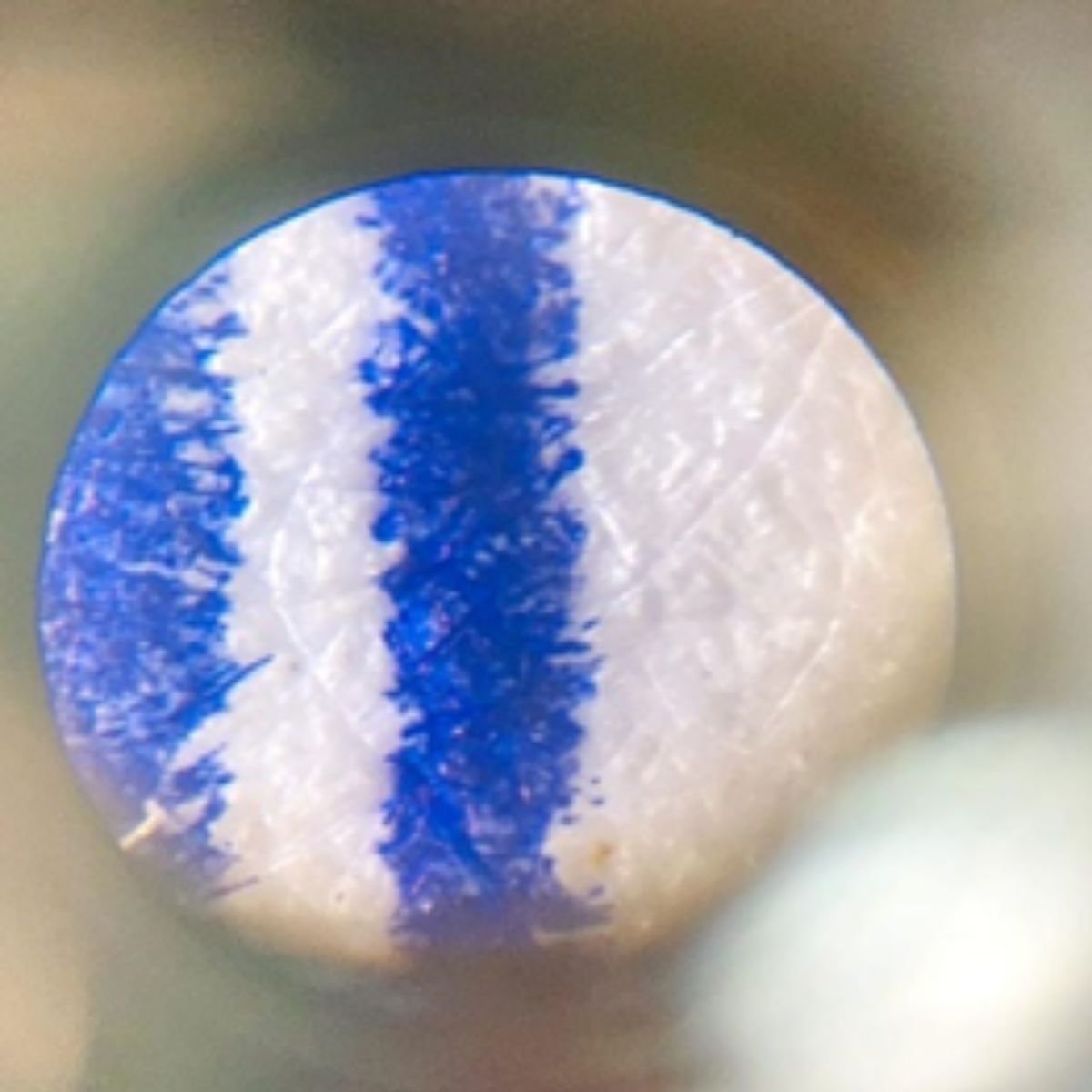


Common biological evidence includes bloodstains, seminal stains, saliva, sweat, hair and skeletal remains. Proper collection, preservation and packaging of such evidence is essential to prevent contamination and degradation before laboratory analysis.
Anthropological examination of bones helps determine biological profile – age at death, sex, stature and ancestry – as well as ante-mortem, peri-mortem and post-mortem trauma that can indicate the circumstances surrounding death.


 :
: 


 :
: